





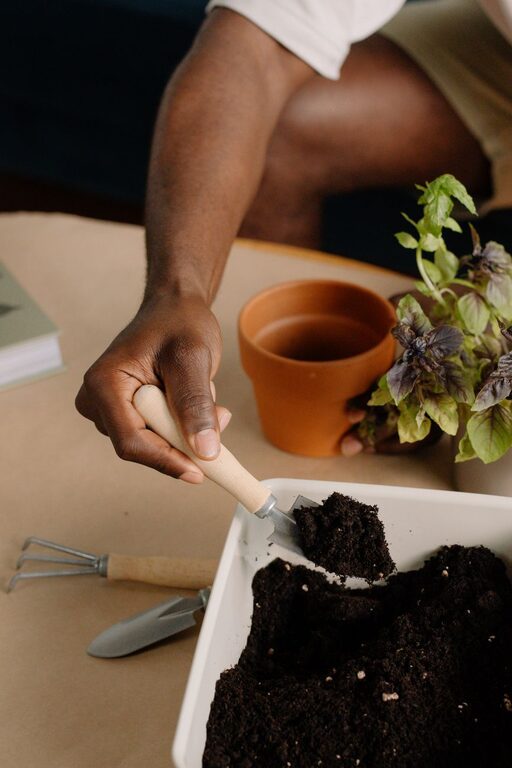
Starting a small herb garden indoors is a wonderful way to bring fresh flavors into your kitchen and add a touch of greenery to your living space. Whether you’re short on outdoor space or simply want convenient access to fresh herbs, growing herbs indoors can be simple and enjoyable. This guide will walk you through everything you need to know to get your indoor herb garden up and thriving.
Why Grow Herbs Indoors?
Growing herbs indoors offers several benefits:
– Fresh herbs at your fingertips for cooking
– Year-round gardening regardless of climate
– Improved indoor air quality
– A satisfying hobby that requires minimal space
Choosing the Right Herbs for Indoor Gardening
Some herbs are better suited to indoor conditions than others. Here are a few popular choices that tend to grow well indoors:
– Basil: Needs plenty of light and warmth.
– Mint: Thrives in partial shade and is very resilient.
– Parsley: Prefers moderate light and consistent moisture.
– Chives: Enjoy bright light and well-draining soil.
– Thyme: Likes sunny spots and dry soil between watering.
– Cilantro: Grows best in cooler indoor temperatures with bright indirect light.
Start with two or three varieties you frequently use to keep it manageable.
Selecting Containers and Soil
When it comes to containers:
– Choose pots with drainage holes to prevent waterlogging.
– Small pots (4-6 inches) work well for individual herb plants.
– Consider using herb-specific planters or recycled containers with holes drilled in the bottom.
For soil:
– Use a high-quality potting mix designed for indoor plants.
– Avoid garden soil, which may be too heavy or contain pests.
– Mix in some perlite or vermiculite for better drainage.
Finding the Perfect Spot
Light is crucial for healthy herb growth:
– Most herbs need at least 6 hours of bright light daily.
– South-facing windows are ideal locations.
– If natural light is limited, consider using a grow light to supplement.
Temperature and humidity:
– Most herbs prefer temperatures between 65°F and 75°F.
– Avoid placing plants near heating vents or drafty windows.
– Mist herbs occasionally if your indoor air is very dry.
Planting Your Herb Garden
You can start herbs by:
– Seeds: Economical and satisfying but may take longer.
– Seedlings or starter plants: Faster results and easier for beginners.
Steps to plant:
- Fill your pots with potting soil, leaving about an inch from the top.
- If planting seeds, follow package instructions for depth and spacing.
- For seedlings, gently loosen the roots and place them in the pot.
- Water thoroughly until soil is moist but not soaked.
- Label your pots to keep track of each herb.
Caring for Your Indoor Herb Garden
Watering
– Check soil moisture daily by sticking your finger about an inch deep.
– Water when the top inch feels dry.
– Avoid overwatering, which can cause root rot.
Feeding
– Use a balanced, water-soluble fertilizer every 4-6 weeks during the growing season.
– Follow the product instructions for dilution rates.
Pruning and Harvesting
– Regularly pinch off the top leaves to encourage bushier growth.
– Harvest herbs in the morning for the best flavor.
– Avoid removing more than one-third of the plant at a time.
Pest Management
– Check plants for pests such as aphids or spider mites.
– Wipe leaves with a damp cloth or use mild insecticidal soap if necessary.
– Proper air circulation helps prevent mold and mildew.
Troubleshooting Common Problems
– Yellow leaves: Often a sign of overwatering or poor drainage.
– Leggy growth: Indicates insufficient light; move plants closer to a window or add grow lights.
– Wilting plants: Can mean underwatering or root damage.
– Slow growth: May benefit from more light or nutrients.
Tips for Enjoying Your Herb Garden Year-Round
– Rotate pots weekly to promote even growth.
– Try different varieties as seasons change.
– Use fresh herbs in cooking, teas, or homemade remedies.
– Share cuttings with friends or expand your garden by propagating.
Conclusion
Starting a small herb garden indoors is a practical and fun way to enhance your home and cooking. With just a few pots, some good soil, and the right light, you can enjoy fresh herbs all year long. Remember to choose herbs suited for indoor growing, give them proper care, and watch your garden flourish.
Happy gardening!




More Stories