





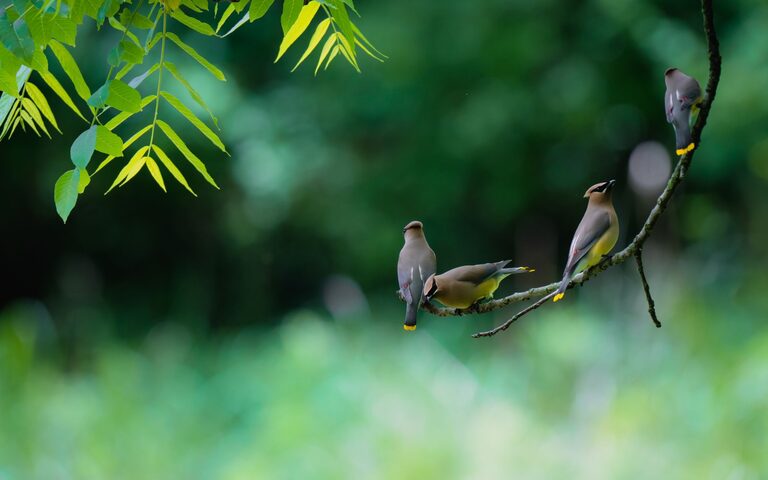
Birdwatching is a wonderful and relaxing way to connect with nature without leaving your home. Whether you have a spacious yard or a small balcony, backyard birdwatching offers an accessible opportunity to observe a variety of birds, learn about their behaviors, and enjoy the calming presence of wildlife. If you’re new to this hobby, this guide will help you get started with easy, beginner-friendly tips.
Why Backyard Birdwatching?
Birdwatching right at home allows you to:
– Experience the wonder of nature on your schedule.
– Learn about local bird species and their habits.
– Support wildlife by providing food and shelter.
– Enjoy a peaceful pastime that can reduce stress.
No special skills are needed to start. Just a little patience and curiosity will go a long way.
Setting Up Your Backyard for Birds
1. Choose the Right Bird Feeder
Different birds prefer different feeders. Some common types include:
– Seed Feeders: Attract finches, sparrows, and chickadees.
– Suet Feeders: Great for woodpeckers and nuthatches.
– Hummingbird Feeders: Filled with sugar water to attract hummingbirds.
– Platform Feeders: Open trays that can attract a variety of birds but may also attract squirrels.
Place feeders in spots visible from your favorite seat, but also where birds feel safe from predators.
2. Provide Fresh Water
Birds need fresh water for drinking and bathing. Consider adding a birdbath or shallow dish with clean water. Change the water regularly to keep it fresh and prevent mosquito breeding.
3. Plant Native Trees and Shrubs
Native plants provide natural food (seeds, berries) and shelter for birds. Some favorites include conifers, berry bushes, and flowering shrubs. These plants also attract insects, which many birds feed on.
4. Provide Shelter and Nesting Sites
Birdhouses or natural brush piles give birds places to rest and raise young. Choose birdhouses designed for local bird species and place them safely away from predators.
Essential Gear for Beginners
You don’t need expensive equipment to get started:
– Binoculars: A lightweight pair with 6x or 8x magnification works well.
– Field Guide or App: Helps identify birds by sight and sound.
– Notebook or Bird Journal: Track the species you see and any interesting behaviors.
– Camera (Optional): To capture photos for memories or to help with identification.
Tips for Successful Birdwatching
1. Be Patient and Quiet
Birds are easily startled. Move slowly and avoid loud noises to encourage them to visit your yard.
2. Watch at Different Times of Day
Bird activity varies by time. Early morning and late afternoon are often the best times to see a wide variety of species.
3. Learn Bird Calls and Songs
Listening for bird sounds can help you spot species that are hidden or camouflaged. You can find bird call recordings through apps or online resources.
4. Keep a Record
Note the birds you see, date, time, and any interesting details. Over time, this helps you learn about seasonal changes and which species are most common.
Common Birds You Might See
Depending on your location, your backyard could attract:
– Cardinals
– Blue Jays
– Chickadees
– Sparrows
– Woodpeckers
– Hummingbirds
– Robins
Each species has unique behaviors and preferences, making birdwatching an ongoing learning experience.
How to Avoid Common Problems
Squirrels and Other Pests
Squirrels may steal birdseed or damage feeders. Use squirrel-proof feeders or place feeders on poles with baffles to deter them.
Window Collisions
Birds sometimes fly into windows because they reflect sky or plants. To reduce this risk:
– Use window decals or screens.
– Move feeders away from windows.
– Install external shades or curtains.
Keep Feeders Clean
Dirty feeders can spread diseases among bird populations. Clean feeders every two weeks with warm soapy water, rinse thoroughly, and dry before refilling.
Enjoying the Experience
Backyard birdwatching is more than just identifying species. It’s about observing nature’s rhythms, appreciating beauty, and developing a deeper connection to the environment. Over time, you may find yourself eagerly awaiting visits from your feathered friends, recognizing their calls, and even participating in citizen science projects to help bird conservation.
Final Thoughts
Starting backyard birdwatching is simple, inexpensive, and rewarding. By setting up feeders, providing water and shelter, learning about local birds, and practicing patience, you can create a welcoming space that attracts a delightful variety of birds. So grab your binoculars and start enjoying the natural world right outside your door!




More Stories